
Winter Wellness
A few tips for watching your well-being
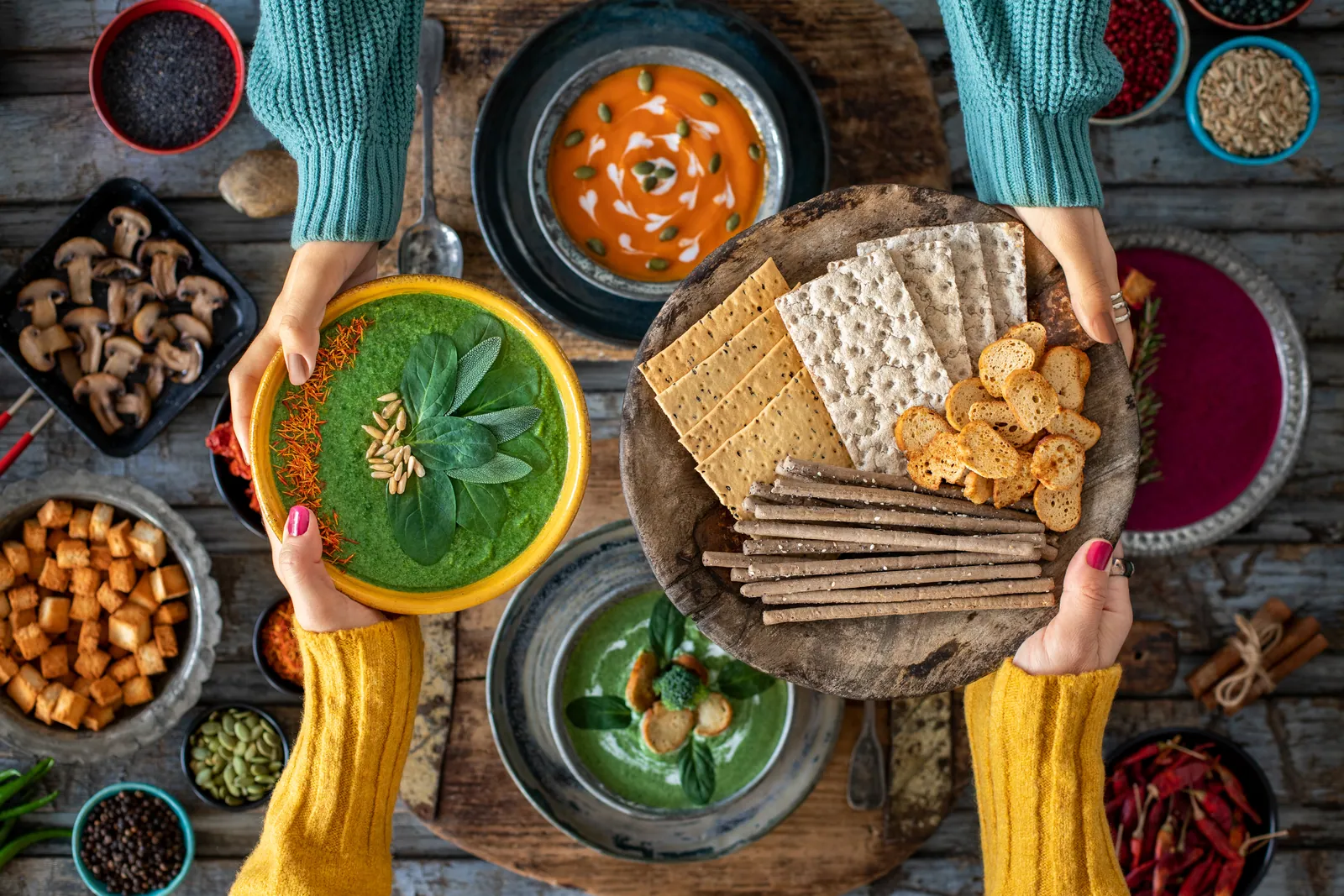
With social gatherings, gift-giving, entertaining, rich foods and time spent with family, the holidays can be a time of obligations, eager anticipation and good times — and possibly stress.
There may be many things out of one’s control when it comes to the holiday season, but being committed to maintaining physical and mental health is a solid strategy to experiencing the best version of this time of year. From simple lifestyle practices to overarching practical advice, the following recommendations can help you get through the holidays feeling happier and healthier.
Eat for Nutrition
With all of the delicious foods around during the holidays, the temptation to overindulge can be great. An easy way to stay healthy during the holidays is to simply cut back the portion sizes of your meals.
Setting aside the well-known fact that over-processed and sugary foods are linked to chronic inflammation, insulin resistance, obesity and general illness, there are other reasons to be mindful of watching what you eat. Rachel DuPaul, a psychologist with Better Balance Psychology, says the mind and body are connected in more ways than not, especially between brain health and gut microbiota.
“Research has found that gut bacteria make 95% of our serotonin and 50% of our dopamine,” DuPaul says.
Serotonin is the chemical messenger that acts as a mood stabilizer and is believed to help produce healthy sleeping patterns. Dopamine is connected to overall energy levels, as well as cognitive functions such as concentration and focus. The National Institutes for Health recommends eating a variety of nutrient-dense and fiber-rich fruits, vegetables, whole grains and nuts.
Get Your Rest
Sleep is critical to maintaining good health — to the point it has been referred to as one of the five pillars of well-being. According to the CDC, an adult requires seven or more hours of sleep per night.
Getting proper sleep helps foster a strong immune system, and the CDC links sleep to repairing tissues and fighting off infections. Inadequate sleep reduces production of antibodies and the proper functioning of cells that attack viruses and cancer cells, and can increase the body’s inflammatory response system.
Additionally, a person’s ability to resist those tempting holiday treats is also linked to sleep. Inadequate sleep can increase one’s appetite leading to overeating and impaired mental functioning.
Set Boundaries
DuPaul has found that among her patients, holiday family get-togethers can be a huge source of anxiety due to societal expectations.
“When it comes to family gatherings, not everyone likes it and not everyone has fun,” she says. “They can bring up anxiety, past traumas, current pain and funky family dynamics.”
Talk with your loved ones about what you have in common, rather than what divides you, to avoid arguments. Instead of letting negative emotions take control of a family gathering, DuPaul encourages setting boundaries and respecting the boundaries established by others. In some cases, that boundary may mean a person chooses not to attend a gathering — and that’s OK.
“Focus on what you can control, which are your own actions,” she says.
Stress Management
“Stress is the first thing I think about when I think of the holidays,” DuPaul says. “Stress is chronic in our society, and we have physical responses to too much stress like muscle tension, difficulty breathing, aches and pains, and loss of appetite or overeating.”
The holidays bring additional sources of anxiety in the form of financial worries or meeting unrealistic expectations. In addition to stress, seasonal obligations can sabotage a person’s routine of self-care. Shopping, entertaining and staying up late for social events tend to derail workout schedules, personal downtime and otherwise healthy eating habits, all of which are excellent coping mechanisms for stress.
“Prioritize your holiday schedule in a way that prioritizes your health and wellness,” DuPaul says. “Accept offers of help. Do what you can to reduce pressure and responsibility. Then use that time to get in a workout, relax or go to bed earlier.”
Financial Wellness
Outline the total budget for the holiday season, including gifts, decorations, food and travel expenses. Establish a maximum spending limit and adhere to it, and don’t feel obligated to spend a specific amount on a particular person or persons. Spending should be self-determined.
When it comes to spending outside the realm of gifts, it may be a good idea to cut back on non-essential expenditures. Avoid dining out or catering by preparing meals at home, and shop for groceries with a list to buy only what is needed and to avoid impulse buys.
Other Tips
Hydrate
Adequate water intake applies year round, but with all the extra food and alcohol around during the holidays, it is easy for hydration to become an afterthought. Drinking water with meals aids digestion and nutrient absorption, and a glass between alcoholic beverages consumed can help reduce the likelihood and severity of hangovers. Water is filling, so staying hydrated can help curb overeating.
Exercise
With cold weather and the general stress the holiday season can bring, exercise routines often move to the back burner. Incorporating physical activity into everyday activities such as work and watching TV is one way to add exercise to your day.
Keep it Clean
With numerous people sometimes in the house for gatherings, it can be easy for germs to spread. Washing hands is one of the best ways to combat the spread of common holiday bugs.