
Monitoring Your Mechanics
Consumer biowearables can provide valuable insights into personal health
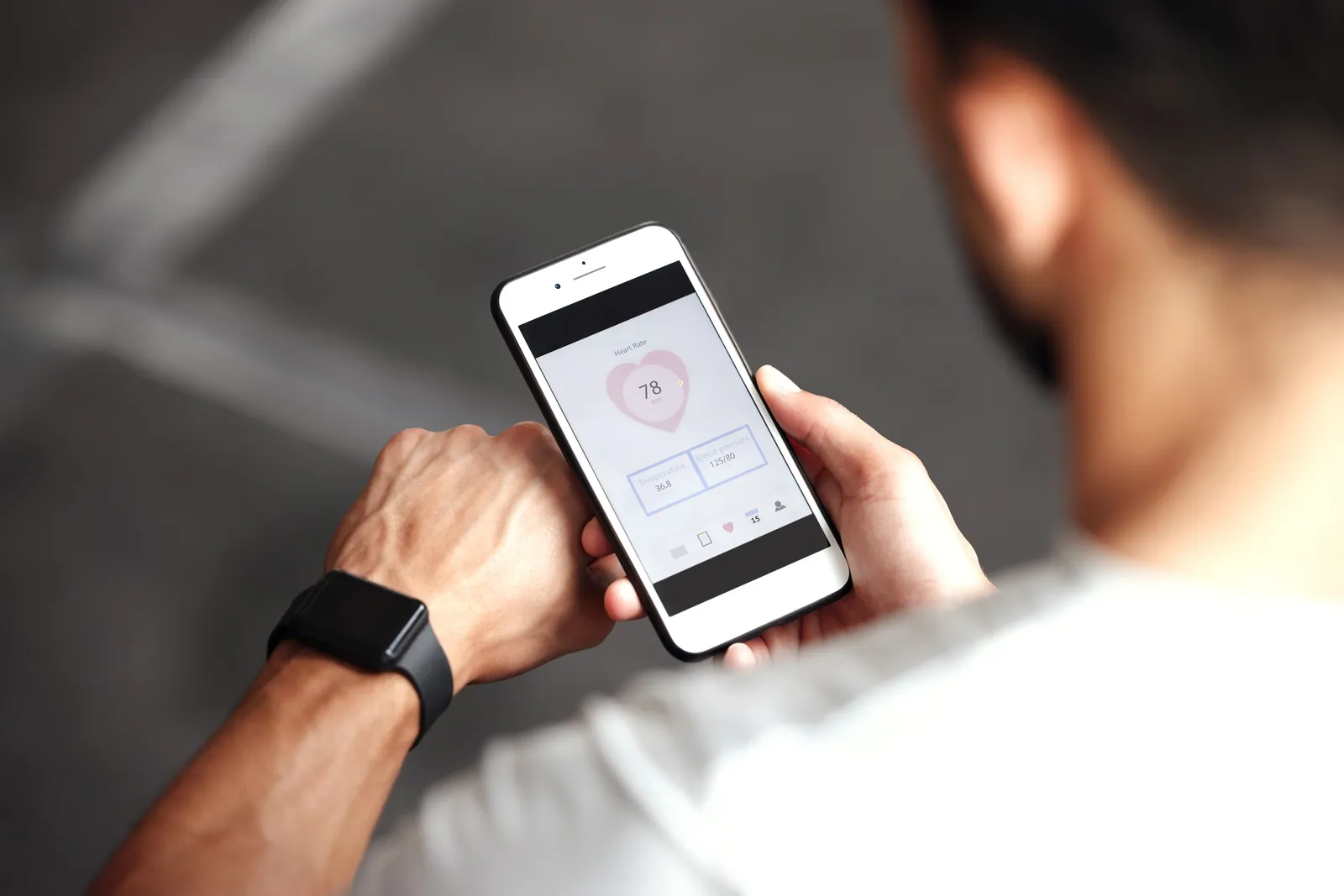
Until fairly recently — as far as human history is concerned — obtaining in-depth information about your health and well-being required a health professional’s assistance.
Average heart rate, blood oxygen levels, or the exact amount of time someone slept at night and in each sleep stage would have required a doctor for testing — or in the case of sleep undergo an overnight study.
Now, a person can simply turn on their phone and peruse the statistics gathered by wearable diagnostics such as a glucose monitor, Fitbit, Oura ring or Apple Watch. Elizabeth Rubin, a clinical advisor at The Embers Recovery, has patients who use all of the above, and she is seeing such devices more frequently.
“These have become much more common in everyday health tracking,” Rubin says.
The benefit of these devices is that patients have regular access to their biometric health information, and each type of device has its own strengths, she adds. Biometric abnormalities can be indicative a potential health problem, but the information gathered by biowearables can also be used to gain insights into their behaviors and lead to adjustments in everyday habits.
“Patients seeing their sleep scores decline, high stress, rhythm problems or glucose spikes might understand the connection between what they do each day and how they feel,” says Angela Leung, an implant and cosmetic dentist. “That can make them more motivated to follow through on their medical treatments, exercise regimens, sleeping practices and oral hygiene routines.”
Leung advises consumers to avoid using the devices for self-diagnosis. They should instead consult a health professional if biometric changes are concerning.
“Consumer biowearables do provide value but only as trend indicators rather than being definitive diagnostic devices,” she adds.
Many consumer biowearables are hyped more than they should be — they are developed and promoted by companies seeking to make a profit — but they can be effective tools that help people gain greater awareness of their health. Such awareness can motivate people to change their lifestyle and engage in healthier habits, Rubin says.
“The main advantage is that patients become more engaged in their health,” she explains. “They can see how lifestyle choices impact their body in real time, which can be very motivating.
“There is definitely some hype, but when used as a tool for awareness rather than diagnosis, these devices can support better health habits.”