
Beyond Skin Deep
Aloe is well known as a treatment for sunburn, but its healing powers may go much further
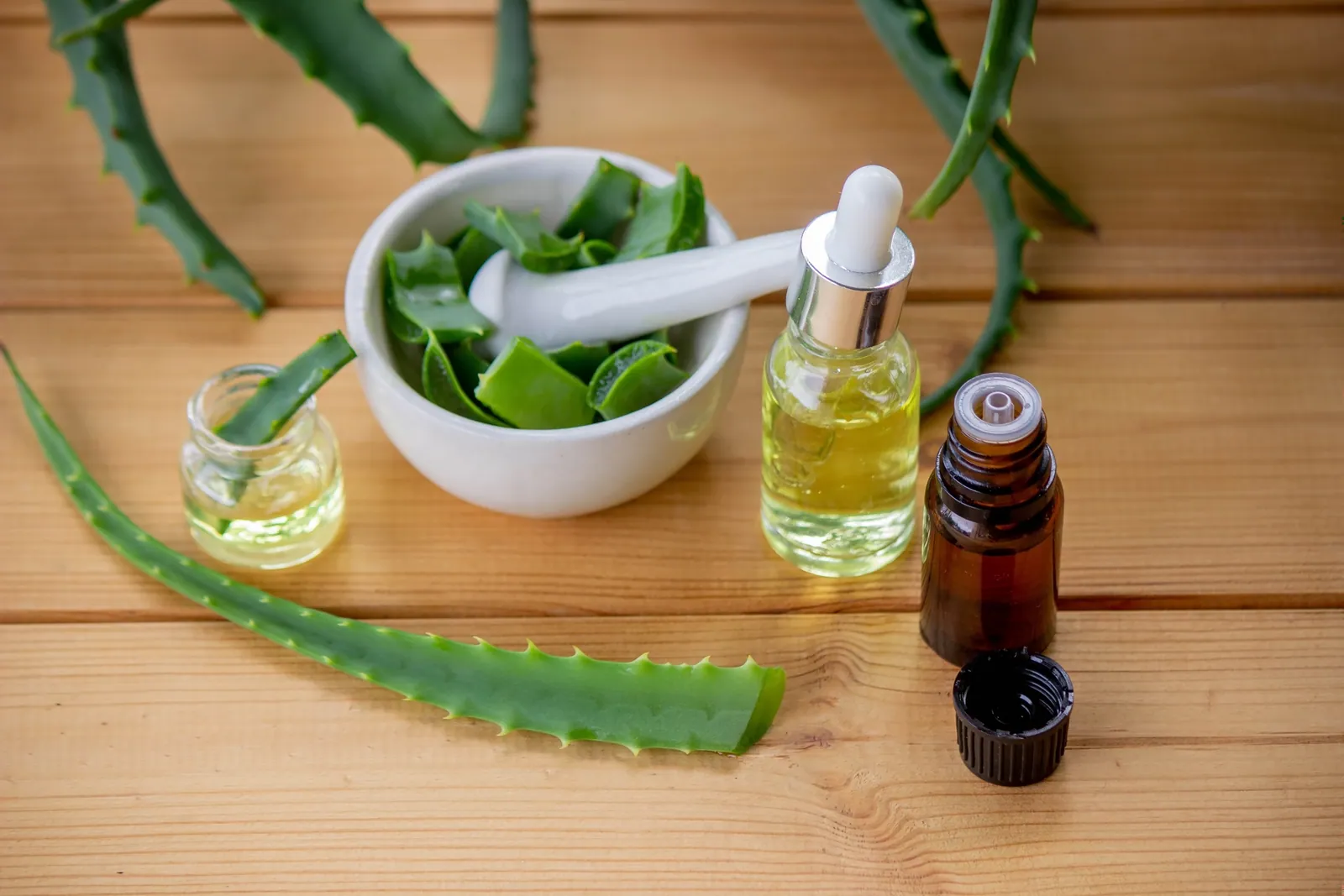
The aloe vera plant — or, more specifically, the juice and gel from this succulent — is a commonly known treatment for sunburn. But this plant that humans have used medicinally for centuries may also provide other health benefits, inside the body and out.
The extract of the aloe plant may benefit skin, dental, oral and digestive health, and may improve blood sugar control. More long-term data from human clinical trials is needed to confirm aloe’s seemingly wide-ranging benefits, but anyone who has used it to treat a sunburn or a minor skin injury can vouch for its ability to ease pain, reduce healing time an help repair skin damage.
Aloe is rich in polyphenols, antioxidant-rich plant compounds that have anti-inflammatory properties. This may be why aloe is effective at treating sunburn, minor thermal burns, and dermal injuries such as abrasions and scratches. It may even be effective against skin disorders such as atopic dermatitis.
Antioxidants, meanwhile, help protect cells from damage caused by free radicals, which are produced through oxidative stress. By inhibiting damage to cells, aloe can theoretically reduce chronic oxidative stress and possibly the risk of some health conditions that can be caused by it, including heart disease and some cancers.
Many of the benefits of aloe vera are seen when it’s applied topically, but aloe vera take as an oral supplement or juice has shown likely benefits when used properly. That could mean in minute doses, such as when using it to treat constipation. Aloe contains anthraquinone glycosides, which have laxative effects, and it is known that excessive consumption of aloe can cause diarrhea and gastrointestinal distress.
The juice may also lower fasting blood sugar levels in people with prediabetes and Type 2 diabetes, and while research remains to be done, it may be effective in treating gastroesophageal reflux disease and irritable bowel syndrome.
When taken as a supplement (not as a drink), aloe may improve skin elasticity and collagen production, the latter of which can reduce the appearance of wrinkles.
Aloe can be used as a juice or a gel. The juice is essentially the sap of the plant and can be harvested from the leaves. The gel is a thick substance that comes from the inner parts of the plant. The juice can be consumed as a drink, while the gel is often applied topically.
To use aloe from a living plant
Pluck several leaves from a healthy, mature plant(s). Carefully cut into the leaves and extract the juice/gel. It can be used as is topically; if planning to drink it, mix it with water.
Aloe may be effective in treating
- Acne
- Constipation
- Sunburn
- Thermal burns
Dental and Oral Health
Aloe may have antibacterial properties that can treat some dental and oral conditions. A study in 74 people with oral submucous fibrosis — a chronic condition that causes pain and inflammation in the mouth — showed that taking 1 ounce of aloe vera juice twice daily for three months was as effective as hydrocortisone injections.
Aloe juice used as a mouthwash may help reduce dental plaque and, because of its anti-inflammatory abilities, help manage pain and swelling following oral surgery. Another study found that aloe mouthwash may reduce the severity and pain related to oral mucositis — a common side effect of chemotherapy and radiation treatments — in people being treated for head and neck cancers.
Before You Aloe
It’s a good idea to talk with a healthcare professional before trying anything new when it comes to your diet and health — including adding aloe vera juice or supplements to your routine. This is especially true for women who are pregnant or breastfeeding.
Similarly, be sure to review aloe vera supplements or juices with your doctor first if you’re taking any medications to avoid possible interactions.