
The Liver Delivers
The body’s biggest organ plays a key role in numerous bodily functions
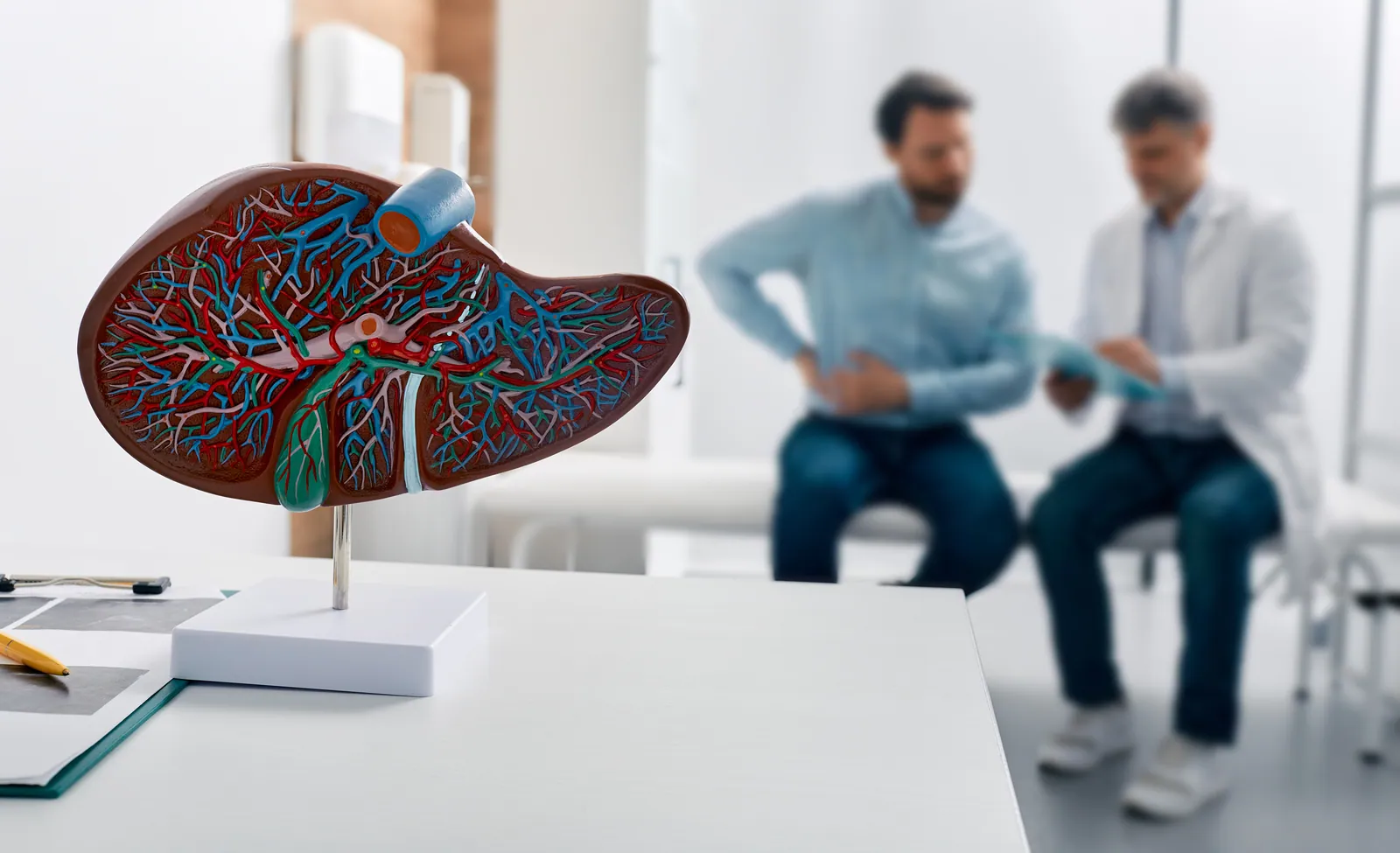
Your liver — the body’s largest internal organ — is a powerhouse. It performs more than 500 essential jobs to keep your body running smoothly.
It filters blood, removes toxins and breaks down medications and alcohol. It produces bile, which helps digest fats and carry waste to the intestine. It regulates cholesterol and hormone levels, stores glucose (the body’s main energy source) and helps fight infection by removing bacteria and viruses from the bloodstream.
To keep your liver healthy, eat plenty of whole foods, including fruits, vegetables in a variety of colors and lean protein. Limit processed foods, sugar and alcohol. Stay hydrated, maintain a healthy weight and exercise regularly. Replace salt — and add flavor — with herbs, spices and balsamic vinegar.
With continual exposure to viruses, excess alcohol, poor diet and other stressors, inflammation can develop. Over time, this can damage liver tissue and cause scarring (cirrhosis). If left unchecked, fatty liver disease, liver failure or liver cancer can occur.
Despite claims that cleanses improve organ function, the liver already has a built-in detoxification system. Healthy lifestyle habits are the best way to support liver function.
“Think of your body like a car,” says Barbara Fine, a registered dietitian nutritionist at Advocate Health Care. “Good fuel helps it run well. Eating whole foods helps your liver do its job.”
Researchers are also studying microplastics, tiny plastic particles in the environment. A National Institutes of Health study suggests they may accumulate in organs, including the liver, although their long-term health effects are still being investigated.
A Super-Powered Organ
Did you know the liver is the only organ that has the ability to regenerate? Even after significant injury or surgery (including transplantation), it can function with as little as 25% of its tissue, and the remaining tissue grows back.