
Tis the Season
A few tips that may help spring allergy sufferers
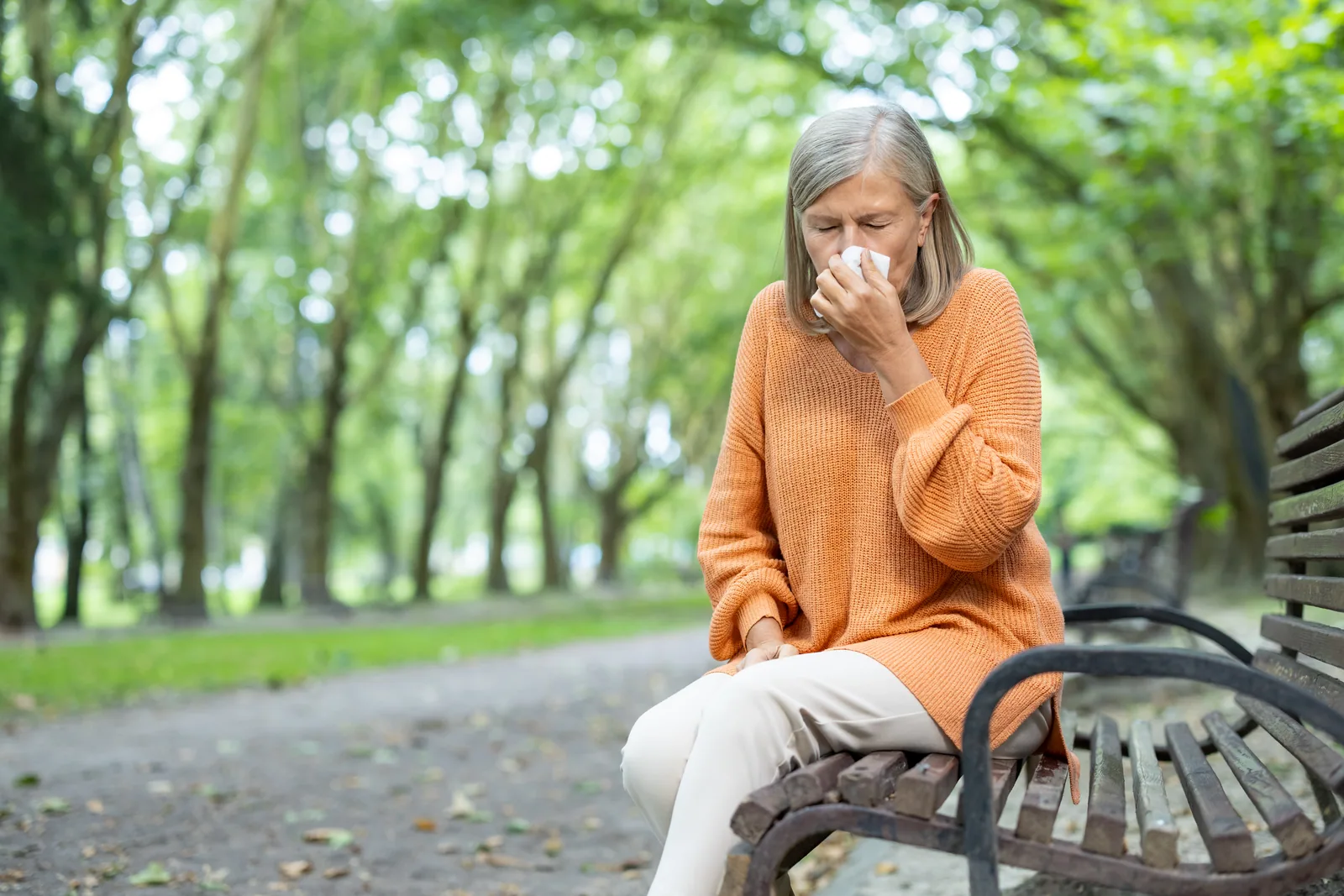
Spring is synonymous with rebirth. Flowers begin to bloom, grass returns to green and people from all walks of life rekindle their love affair with the great outdoors.
Spring also marks the return of allergies, which can put a damper on even the most welcoming spring day. Thankfully, it’s possible for seasonal allergy sufferers to have their spring and enjoy it, too.
Pay attention to seasonal allergy trackers
Seasonal allergies are easy track. Pollen.com provides access to daily allergy reports based on zip code, and five-day forecasts that can help users plan trips and other outdoor excursions. Weather.com also offers free allergy reports and forecasts.
Stay indoors when allergen levels are especially high
The Mayo Clinic notes staying indoors on dry, windy days can help avoid the worst allergens. This may not be ideal, but it’s important that seasonal allergy sufferers recognize that some days might be too much to handle. Rain helps clear pollen from the air, so people who are avoiding the outdoors when pollen counts are high should be able to get outside after a good rain.
Maintain clean air indoors
The Asthma and Allergy Foundation of America notes that improving air quality in the home can reduce allergy triggers. Air conditioners can prevent outdoor allergens from entering a home, so utilize units on warm spring days when you might otherwise open the windows. Open windows and screen doors provide easy entry points for allergens like pollen, so turning on the AC when outdoor allergen counts are high can make seasonal allergies more manageable.
Consider treatments
Over-the-counter treatments like antihistamines, nasal sprays and decongestants provide most allergen sufferers with sufficient relief from their seasonal allergies. If OTC remedies are ineffective, treatments such as allergen immunotherapy and a consultation with an allergen may be considered.