
Floating in the Dark
Sensory deprivation therapy is science — but what does it do and how does it work?
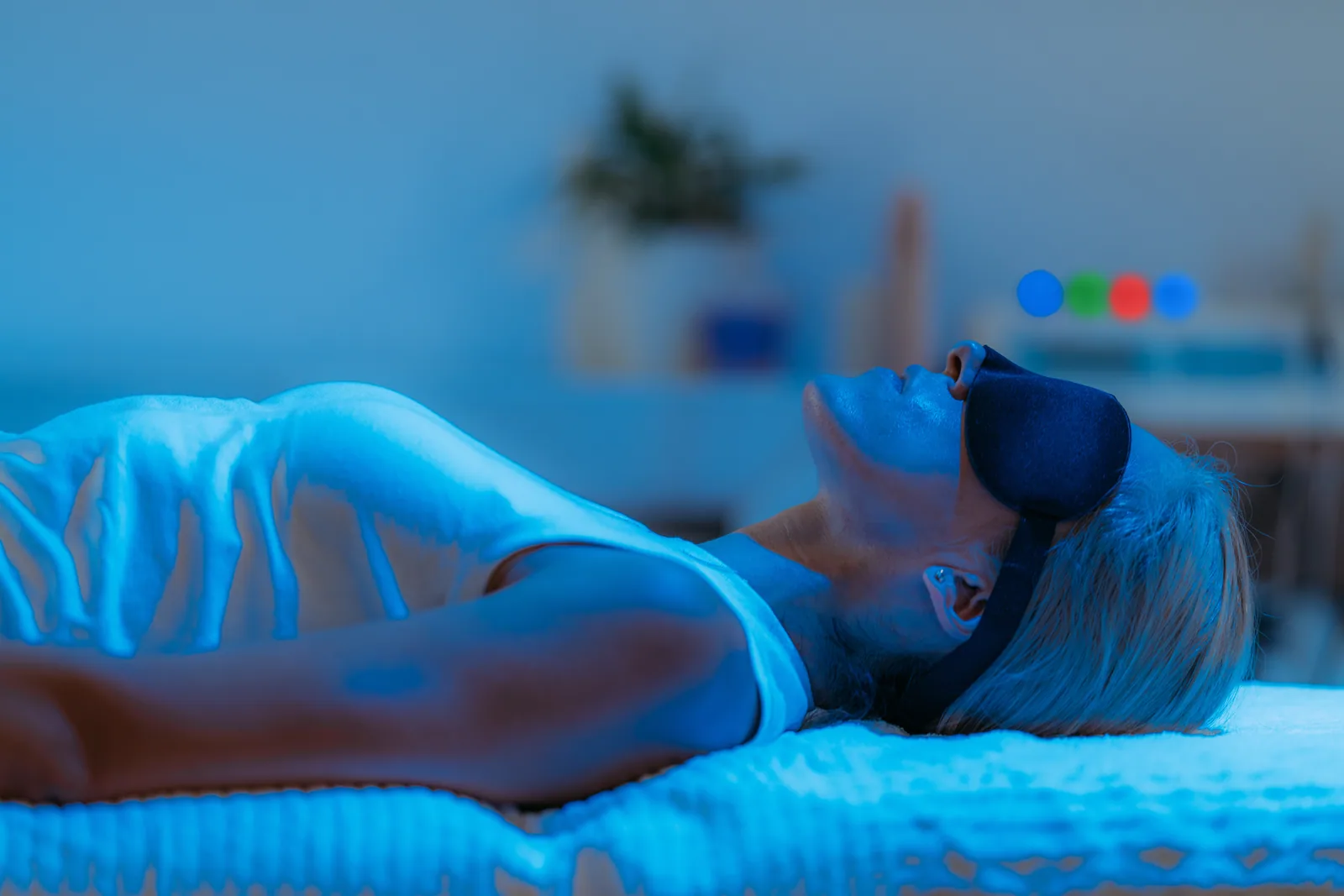
Being in a crowd of people talking loudly all at once is enough to trigger situational sensory overload in just about anyone. But for some people, sensory overload is a real—and debilitating condition within the family of sensory processing disorders (SPD).
SPD is a difference in how the brain understands and responds to information transmitted through your senses, including what you see, hear, smell, taste and touch. Although it is typically seen in children, SPD can also affect adults and is common among those with autism, attention deficit hyperactive disorder (ADHD) and post-traumatic stress disorder (PTSD). Many people experience episodes of SPD from exposure to bright light, loud noise and other extreme stimuli. An estimated three out of every 20 Americans have SPD that negatively impacts their quality of life.
Sensory deprivation, accomplished by reducing external stimuli to the brain, is a key strategy for treating SPD, as well as certain psychological disorders. Studies report sensory deprivation methods significantly reduce anxiety and stress and their associated symptoms, such as muscle tension, mood swings and emotional problems. People who suffer from PTSD may experience calming of the fight-or-flight response, and some research shows decreased symptoms among those who deal with clinical depression, including sleep disturbances.
Sensory deprivation prompts brain reorganization, or neuroplasticity, that allows the brain to adapt to the absence of input, typically by enhancing the remaining senses. Consider individuals who experience prolonged blindness, then develop heightened tactile and auditory abilities as their brain reorganizes to process non-visual information. Additionally, sensory deprivation can lead to an amplified sense of internal awareness and attention to thoughts, emotions and physical sensations.
Although she feels sensory deprivation is warranted in certain cases, clinical therapist Sue Burke emphasizes that the goal of treatment for people with sensory issues goes beyond this treatment option.
“It’s not about simply avoiding sensory input but helping people build tolerance and regulation skills to navigate the world full of constant distractions more comfortably,” she says.
The float tank, first introduced in the 1950s for use in neuroscience studies, has evolved into a relaxing activity as well as a therapeutic sensory deprivation modality, promoting deep rest and stress reduction by lowering cortisol levels, heart rate and blood pressure.
A float tank is dark, soundproof and filled with room-temperature water saturated with Epsom salts, allowing a person to float effortlessly. The absence of light and sound induces an inward focus that enhances mindfulness, body awareness and neurological plasticity, as the brain shifts from beta (awake) to relaxed alpha and theta (deep relaxation/dreaming) brainwaves. People undergoing flotation therapy may see benefits such as reduced anxiety, improved focus and faster muscle recovery, partly due to magnesium absorption from the Epson salt water.
Professional counselor Meredith Hrebenak tried flotation therapy herself to experience it firsthand before recommending it as a complementary therapy for her clients.
“I do see clear mental health benefits, as it can allow for a total physical and mental relaxation that is unique compared to other methods,” she says. “However, it is not a replacement for mental health counseling, medication or other treatment.”
Neurologists agree it’s important to consult with a health provider prior to using flotation therapy. While it may be beneficial for some people, in other cases, prolonged sensory deprivation can also lead to unusual cognitive issues, such as hallucinations, anxiety and disorientation as the brain tries to compensate for the lack of input.
“A broader treatment plan for people with SPD may include a calming “sensory retreat” in the home with dim lights, quiet and comfortable textures and noise-canceling headphones to allow the nervous system to reset,” says Burke.