
Bio-Tracking
Wearable diagnostics are non-invasive monitors of chronic conditions
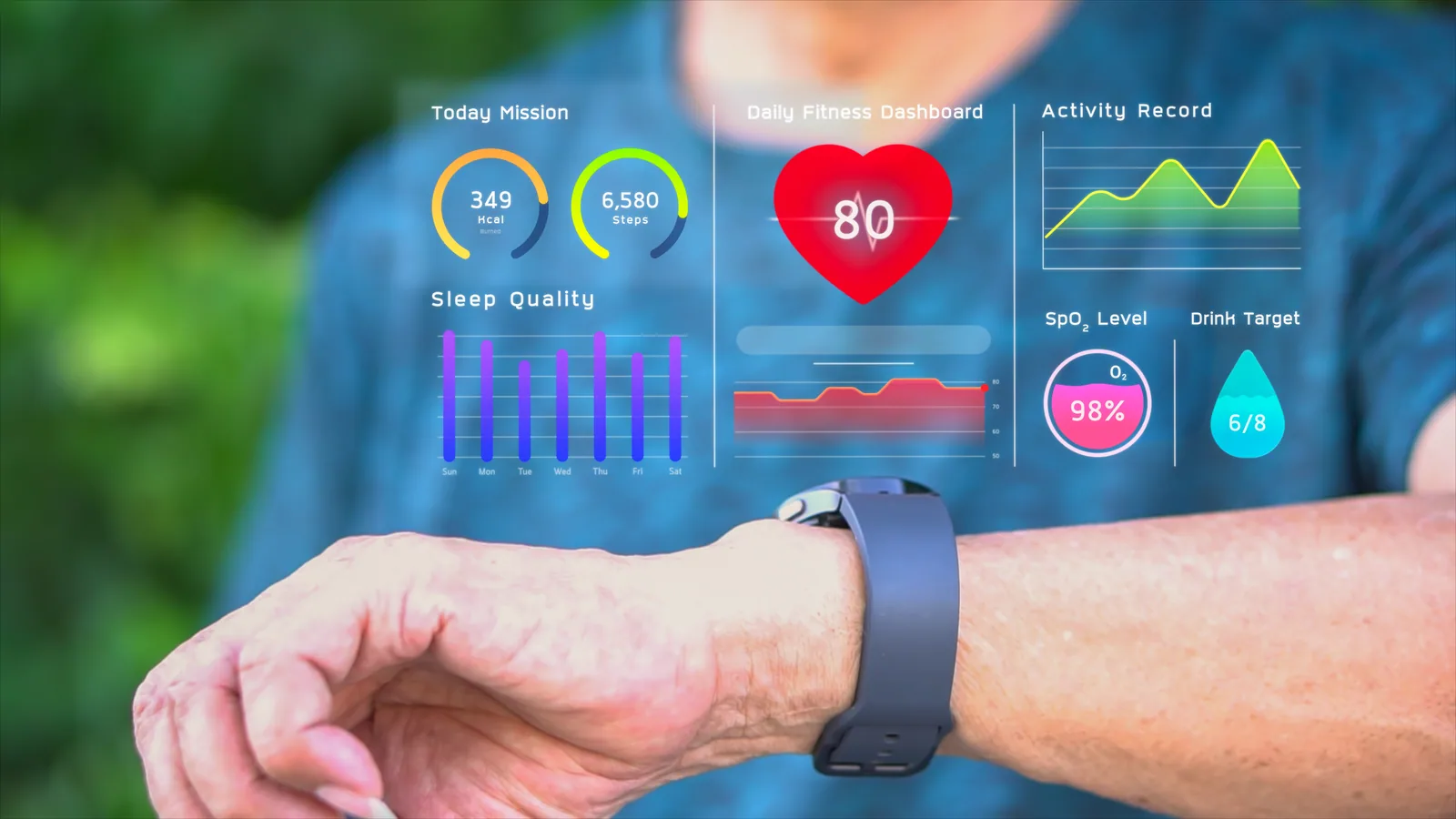
Long before personal health tracking on our wristwatches became popular, cardiologists were relying on wearable medical diagnostic devices to keep tabs on their patients’ hearts, in real-time, 24 hours a day, far beyond the walls of the exam room.
In the 1940s, the Holter monitor represented a major breakthrough as the first generation of medical diagnostic wearables that record the heart’s electrical activity (ECG/EKG), detecting abnormal and irregular heartbeats. Still in use today, it has evolved through the years from a bulky backpack radio transmitter into adhesive chest patches connected wirelessly to a smartphone or other personal device for managing the data. Bear in mind that someone in the United States suffers a heart attack every 40 seconds.
To clarify, although consumer devices like smart watches, wristbands and rings are ideal for assessing overall wellness and identifying health trends, they do not belong to the class of medical-grade devices worn under the direction of a health care professional discussed here.
Wearable diagnostics perform the essential task of continuous, non-invasive monitoring of many chronic diseases and conditions. Along with helping medical professionals manage their patients’ care and treatment, they provide diagnostic information. And, they can be lifesaving, as in the case of a glucose monitor warning people with diabetes of volatile blood sugar highs and lows, which can lead to serious complications.
Along with cardiac monitors, other commonplace wearable medical devices include:
- Blood pressure monitors measure blood pressure levels, especially important to managing hypertension.
- Glucose monitors keep track of blood sugar levels, allowing diabetics to manage their condition effectively.
- Pain management devices use electrical nerve stimulation to help manage chronic pain.
- Neurology devices assist in seizure detection, Parkinson’s disease management and mental health tracking of stress and post-traumatic stress disorder.
- Sleep monitors provide diagnostics for apnea and other sleep disorders, capturing data on heart rate, airflow and body movement.
Dr. Ben Allencherry, cardiologist and leader in the field of medical diagnostic wearables for the Cleveland Clinic sees these devices as essential to preventive medicine as well as identifying and managing a wide range of health conditions.
“Early intervention is most important,” he said. “Providing clinicians with data to identify potential health issues before they become critical is our main goal.”
Not surprisingly, Cleveland Clinic biomedical engineers and researchers are actively advancing integration of AI in medical diagnostic devices, with a focus on transforming raw data into actionable insights for earlier disease detection.