
Nutrition Takes Center Stage
Functional medicine helps address the underlying sources of illness
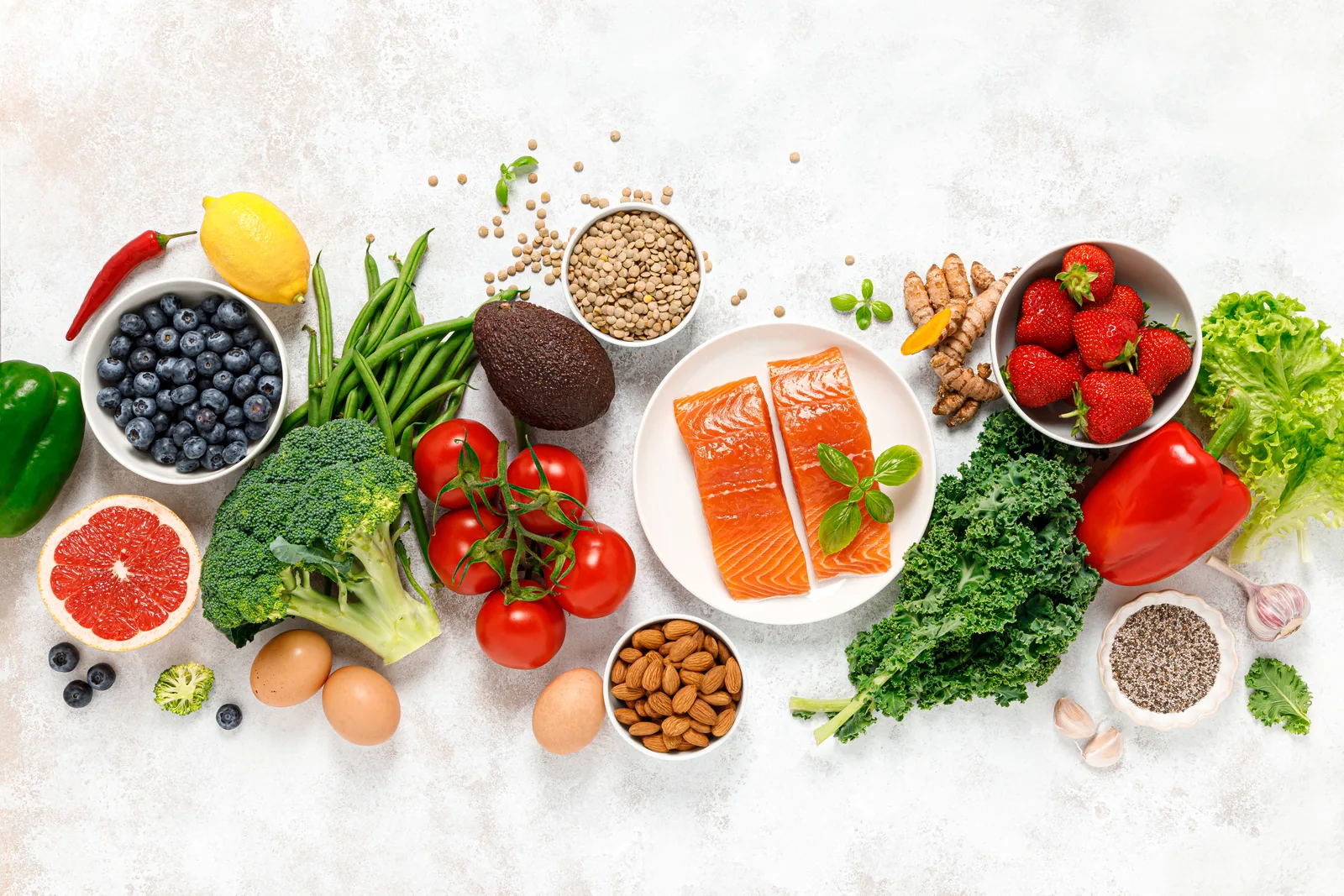
Many of us visit our doctor when seeking relief from troublesome symptoms, for which conventional medicine is ideally suited. For addressing illness, emergencies and life-threatening conditions with medication, surgery and immediate intervention, conventional medicine holds a time-honored, essential place in the health care landscape.
Functional medicine differs in that it takes a personalized, root-cause-based approach to uncovering the underlying source of an illness. Anyone facing a chronic condition may benefit from a functional medicine perspective, which collaborates with — and doesn’t replace —conventional medicine clinicians.
In functional medicine, nutrition is a “daily input” that can shift how multiple body systems work — digestion, metabolism, hormones, immune function, brain health and inflammation.
“The goal is to look upstream to see what’s driving symptoms and use food patterns to support the body’s normal function — alongside appropriate medical care and evidence-based treatment when needed,” says Registered Dietitian Nutritionist Lena Beal.
Nutrition influences health in a few practical ways:
- Builds and repairs: Protein, essential fats, vitamins/minerals support tissues, enzymes and immune cells.
- Regulates inflammation: Overall dietary pattern matters; Mediterranean-style patterns are consistently linked with lower inflammatory markers.
- Shapes your gut microbiome: Fiber-rich, plant-forward eating feeds beneficial microbes that produce helpful compounds, such as short-chain fatty acids.
- Supports brain chemistry and blood sugar stability: Steadier energy and mood often start with balanced meals and adequate micronutrients.
Improved nutrition leads to important health benefits:
- Immunity: Adequate intake of key nutrients (notably vitamin D, vitamin C, zinc, among others) supports immune-cell function and healthy barriers like skin and gut lining.
- Inflammation: Diet patterns emphasizing plants, olive oil/unsaturated fats, nuts/legumes, fish and minimal ultra-processed foods are associated with reductions in common inflammation markers
- Mental health: Diet quality can matter for mood. In a well-known randomized controlled trial, structured diet improvement (Mediterranean-style) reduced depression symptom severity compared with a social-support control.
- Cognitive health: The gut microbiome produces metabolites that can influence brain and immune signaling; emerging research connects microbiome balance with neuroinflammation pathways (an active area of study).
- Energy: “More energy” is often less about a magic food and more about stable blood sugar plus enough protein plus iron-rich foods plus hydration plus sleep—and fewer big spikes/crashes from highly refined carbs or inconsistent meals.
People can easily incorporate functional nutrition into their daily lives, says Beal. “Think ‘patterns,’ not perfection.”
Chew on This
Build a balanced plate most meals
- ½ non-starchy vegetables plus fruit
- ¼ protein (beans, fish, poultry, tofu, Greek yogurt, eggs)
- ¼ high-fiber carbs (oats, brown rice, quinoa, sweet potato)
- Plus healthy fats (olive oil, nuts, seeds, avocado)
Aim for fiber daily (most people fall short)
- Beans/lentils, berries, veggies
- Chia/flax, oats — this supports gut microbes and regularity
Add, don’t just subtract
Add one “upgrade” at a time (e.g., swap sugary breakfast for oatmeal plus nuts; add a salad kit; include beans twice/week)