
Supercharge Your GLP-1s
Weight-loss drugs work — but they work even better with lifestyle changes
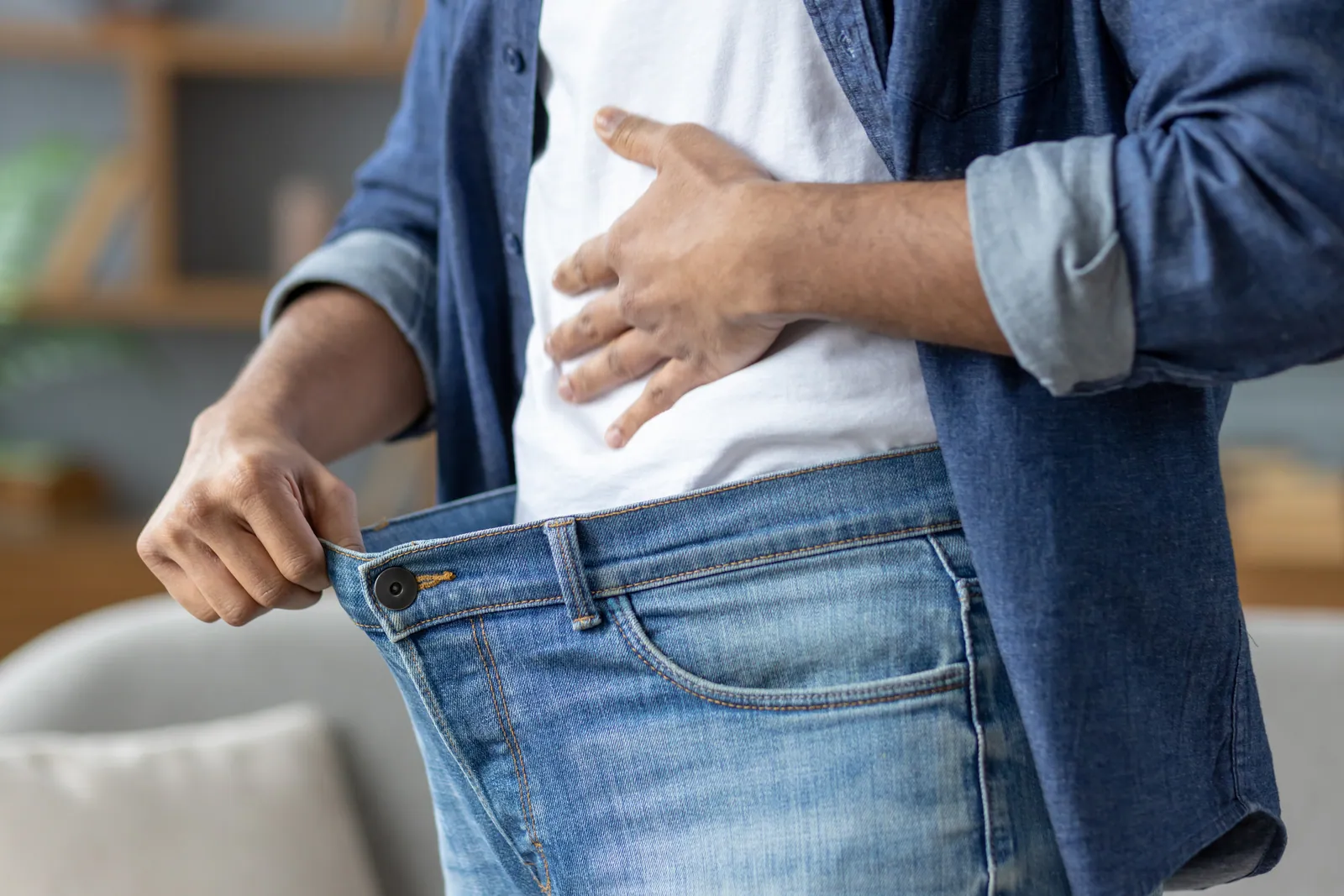
With about 1 in 8 American adults now using GLP-1 weight-loss drugs like Ozempic and Wegovy, there’s no question it is an effective way to help you shed unwanted pounds when traditional diets and exercise regiments fail.
In fact, a 2025 Gallup poll found that the number of obese Americans dropped nearly 3 percent over a three-year period, from an all-time high of 39.9%. That’s a significant change. Just look around and there’s a good chance you’ll see someone who has lost 30 to 50 pounds or more with the help of these medications.
People who take GLP-1 medications:
- Feel fuller after and between meals
- Have improved glucose levels
- Experience reduced thoughts about food
That alone is not enough, however. According to the Mayo Clinic, lifestyle changes are necessary for any long-term weight management, including for people on GLP-1 medications, which can be administered easily at home through a shot or a pill.
The Mayo Clinic says making dietary changes and increasing your daily physical activity while taking GLP-1s is an ideal combination that can lead to greater weight loss, improved overall health and reduced risk of gaining all the lost weight back once you stop taking the medication.
And by following a healthy eating plan and drinking enough water, the initial common side effects that are often experienced when starting these drugs — — such as nausea, headaches and fatigue — also can be either avoided or minimized.
The Cleveland Clinic recommends focusing on nutritionally packed foods when taking a GLP-1:
- Fruits and vegetables like leafy greens, apples and tomatoes
- Lean protein sources like fish, chicken, tofu and beans
- Whole grains like oats, quinoa and farro
Additionally, be sure to focus on are protein and fiber, both of which keep you feeling full longer and help stabilize blood sugar, the Cleveland Clinic says. Protein also keeps your body from losing muscle instead of fat, and fiber can help combat constipation that a GLP-1 can cause.
The Cleveland Clinic also recommends avoiding or limiting certain foods:
- Food and drink with added sugar, such as juice, soda, candy and desserts
- Refined carbohydrates such as white bread, crackers and white rice
- Processed foods such as packaged snacks
- High-fat foods such as pizza and fried chicken
- Spicy foods such as hot sauce and hot peppers (to reduce instances of heartburn and indigestion)
GLP-1s can lead to rapid weight loss but they can also cause you to lose muscle as well. So, it’s important to prioritize strength training as part of your exercise routine.
When you’re on GLP-1 medications, consider these types of exercises, according to the Cleveland Clinic:
- Strength training: Resistance training, weightlifting and other body weight exercises, like push-ups, help preserve muscle mass and bone
- Aerobic exercises: Walking, running, cycling and swimming all support long-term weight management and help improve cardiorespiratory fitness, insulin sensitivity and glucose tolerance
- Plyometrics: Box jumps, burpees and other bodyweight exercises combine resistance training and aerobics all in one. The goal is to improve athletic performance and increase your power, speed and strength
- Stretching and flexibility exercises: Activities like yoga, Pilates and a stretching help reduce stress while priming your muscles for growth. Stress is a leading contributor to weight gain, so working these exercises into your physical fitness routine can lead to big benefits down the road.
Cleveland Clinic recommends about 150 minutes of moderate intensity exercises or 75 minutes of vigorous exercise every week, but if you’re just getting started on GLP-1s, it might be best start slow and keep your goals achievable. For example, start with just 10 to 15 minutes a day or light activity like walking, and build from there. The better you feel, the more motivated you’ll be.