
In Their Corner
Let your young athlete know you have their back
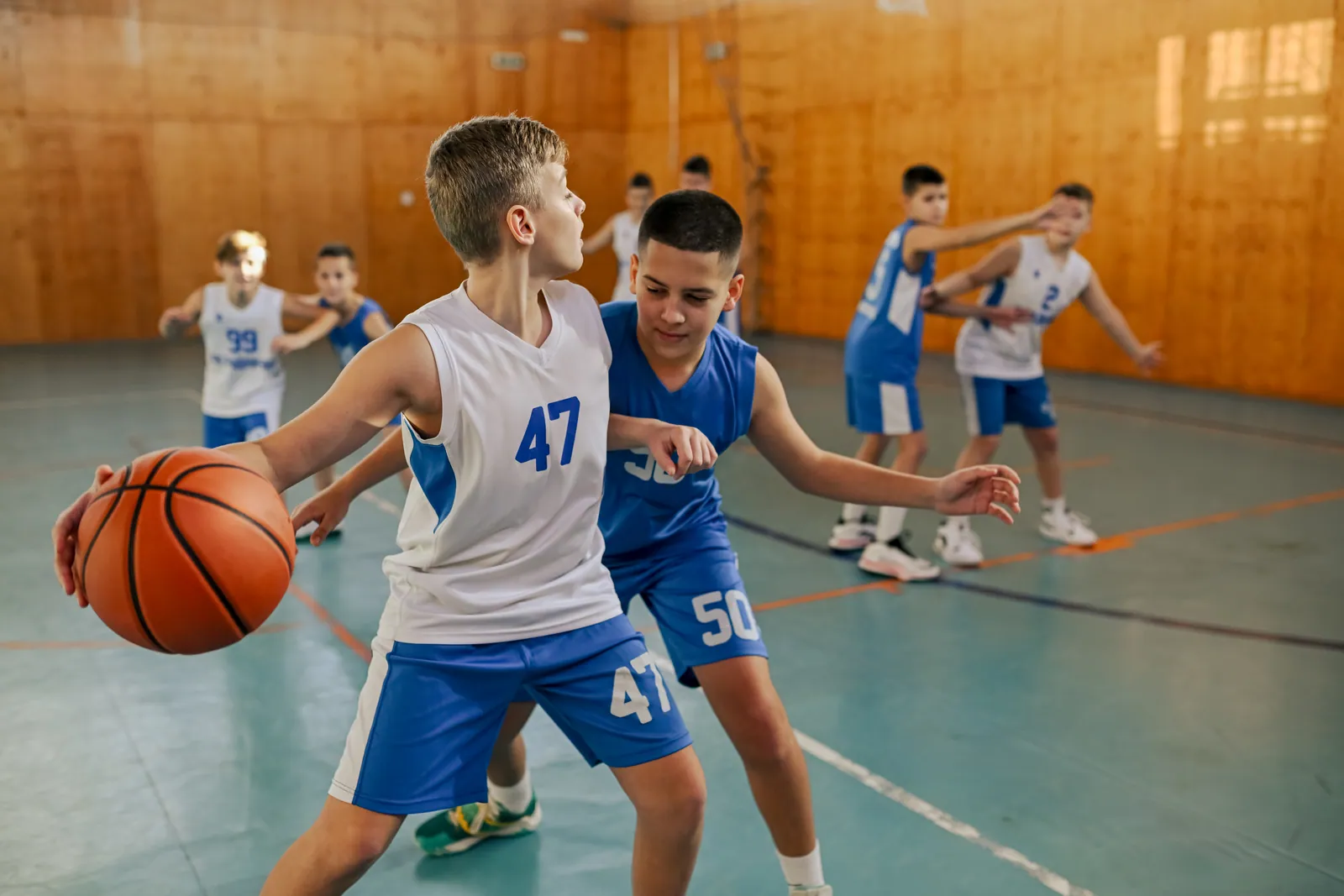
Athletics are an integral part of many youths’ lives, and participating in sports can be significant factors in their mental and emotional development.
This can be particularly true when it comes to self-confidence and mental toughness, both which can ebb and flow depending on their personal performance. The pressure they may put on themselves to succeed and the disappointment that can come with struggling and failure can add stress to their lives.
Young athletes who lack confidence tend to hold back, play timidly and second-guess their decisions, and this can inhibit them from reaching their full potential (this is true even for professional and Olympic athletes). Mental toughness is the leading psychological factor in building confidence in youth sports, and more than 60% of coaches say their biggest challenge is building mental toughness in their athletes, according to Dr. Paul McCarthy, a youth sports psychologist.
Parents of youth athletes can help support them by understanding their feelings, making them feel valued and cared for, and providing a safe space to work through the highs and lows of competition. Small interactions can be as meaningful as more in-depth conversations regarding success and failure, and consistent support helps assure them they can rely on you for positive feedback that won’t add stress to the situation.
Timing is Crucial
The trip home after games is not always the best time to talk to your athlete — it, in fact, may be the worst time, particularly if they struggled or did not meet their expectations. Many youths need time to decompress afterward. Later, when their struggles are likely to be less prominent in their mind, can be an effective time to talk, but this should be done on their terms.
Provide Effort-Based Feedback
Focus on understanding what they are feeling and validate those feelings. Avoid adding to their stress by criticizing their performance; instead, accentuate the positives and praise their effort instead of results. Help them understand that failure is essential for their own growth and future success.
Check In
Understand how your athlete is experiencing the sport. Do they feel pressured to succeed? Do they enjoy playing or are they doing it out of a sense of obligation? Validate their feelings and provide them support in their choices, even if you disagree.
Take Them Seriously
Do your best to listen and understand their perspective. Approach these interactions with empathy and affirm that you believe them. If your child is sharing their thoughts with you, it means they trust that you won’t further exacerbate their stress or anxiety
How to Build Confidence
- Separate self-worth from the sport: Make sure they know they are valued for who they are, not just how they perform on the field.
- Encourage a positive inner voice: Teach them to talk to themselves the same way they would talk to a struggling teammate, rather than self-criticizing after a mistake.
- Allow them to make mistakes: Do not intervene in every failure or setback. Navigating disappointment builds essential life skills and mental toughness.
- Trust the process: Help them set personal, controllable goals rather than emphasizing statistics or the scoreboard.
What to Say, What Not to Say
Parenting a youth athlete can present its challenges, from getting them ready to play to handling in-game issues to communicating with them after a frustrating day. Knowing what to say and what not to say is also largely influenced by the child’s personality and the nature of the child-parent relationship, but there are a few basic guidelines that can help keep both child and parent in a good place.
- Pre-Game: Keep it pressure-free. “I love you, and I love watching you play,” may help them stay relaxed.
- Post-Game (if they play well): “I noticed how you kept trying even when things got tough.” Highlight specific, controllable actions.
- Post-Game (if they struggle): “I know you’re disappointed, but mistakes are how we learn and get better.”
- When they are nervous: “Focus on the things you can control — your effort, your attitude and your next play.”
- Don’t coach from the sidelines: Phrases like “Hustle!” or “Pass the ball!” can contribute to performance anxiety and create distractions.
- Avoid results-based praise/criticism: “You were great, you scored three goals!” may be interpreted as only being valuable when they succeed.
- Never use guilt or comparison: “We sacrificed a lot for you to be here,” or “Why can’t you play like your teammate?”
- Don’t dismiss their feelings: “It’s just a game, don’t be upset” invalidates their emotions.