
One Sip At A Time
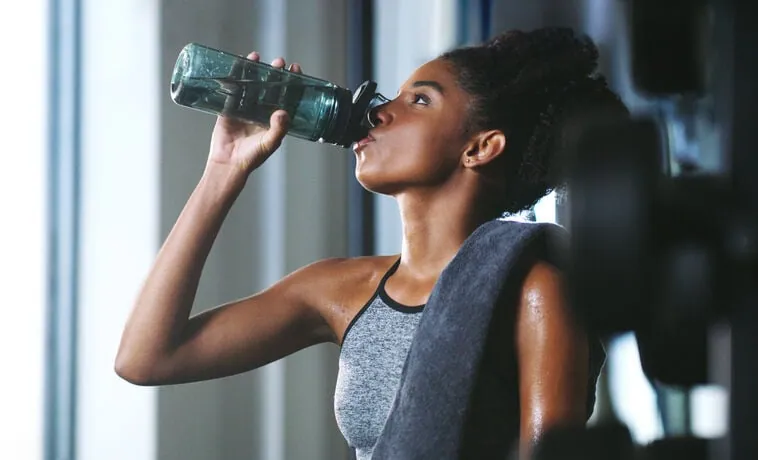
It seems no one leaves the house these days without a water bottle of some sort, whether it’s a disposable container or a large stainless steel bottle.
While we may know hydration is important, how much is really needed and why? And does the source of water and the container used matter?
According to the Centers for Disease Control and Prevention, water helps maintain normal body temperature, lubricate and cushion joints, protect the spinal cord and other tissues, and rid the body of waste.
It’s important for everyone, but needs may vary by individual.
“There is no one perfect formula for hydration,” says registered dietitian nutritionist Kathleen Garcia-Benson of Top Nutrition Coaching, citing factors like sweat rate, humidity, elevation, activity levels, and intake of high-fluid foods.
The U.S. National Academies of Sciences, Engineering and Medicine recommends about 15.5 cups of fluid daily for men and about 11.5 cups for women. This includes all liquid from water, other beverage sources and food. According to the Mayo Clinic, about 20% of daily fluid intake usually comes from food sources, like fruits and vegetables.
Garcia-Benson says a starting point to determine your specific hydrate need is to divide your body weight in half and convert that number into ounces.
“That gives a basic starting point to how many ounces to aim for, which then can be assessed for whether you need more or less,” she explains, adding that urine color can be an indicator of whether more or less is needed. “We’re aiming for a consistent light straw color. If you’re looking after it’s mixed with toilet water, recognize it will be diluted and a bit lighter in color.”
In addition to supporting digestion, Garcia-Benson says proper hydration also supports kidney health, skin health, cues on hunger and fullness and more.
Milk, juices, flavored waters and even tea and coffee can help with hydration, but Garcia-Benson notes certain teas like green, dandelion and hibiscus, as well as coffee, also have natural diuretic effects, which should be kept in mind if using as a large source of hydration.
When it comes to water, the source depends on personal preference, convenience and local water quality, says Garcia-Benson.
“Tap water can have more stringent requirements than bottles, however location can impact water taste and quality,” she says. “Consider looking at your local water reports, and purchase filters if needed. If you don’t like the taste, you likely aren’t going to be drinking enough, so consider taste preferences.”
As far as containers, Garcia-Benson says the marketing of water bottles has made a positive impact in promoting hydration. She says her recommendation is to find a container that works best for you.
“It could win ‘best cup’ awards, but if you find it hard to carry around, it’s not worth it,” she says. “Look for bottles that are easy to clean, as proper hygiene is crucial to prevent bacterial growth. Insulated cups can keep water cold or hot for extended periods, which may be desired depending on the person. For sustainability purposes and taste, I recommend a stainless steel-lined water bottle.”
She is seeing an uptick in clients wanting to focus more on hydration, too. Her advice for those wanting to increase their intake is to take it slow, for practical reasons.
“Jumping to the end goal all at once can sometimes be overwhelming due to a sharp increase in bathroom breaks,” she says.
Instead, aim to increase by 4 to 8 ounces over three to five days, then add another 4 to 8 ounces over the next three to five days and so on, until the goal is reached. Sipping throughout the day rather than trying to drink large amounts at one time is also recommended, Garcia-Benson says.
“If remembering to hydrate is a struggle, some people find it helpful to have a ‘water trigger,’ taking a sip every time they check their email or walk into a specific room.”
https://www.topnutritioncoaching.com/nutritionists/kathleen-benson