
Fun in the Sun
Summer is supposed to be fun.
It can also be unsafe.
And while following a list of rules and advice might not sound like a blast, ignoring guidelines can lead to accidents and health issues.
To keep summer fun, follow a few simple tips when it comes to sun exposure, hydration and swimming and eating safely.
Skin and eye protection
For skin, use sunscreen, hats and protective clothing. For eyes, wear sunglasses.
According to the American Academy of Ophthalmology, sunglasses are important because they protect the eyes from ultraviolet rays, including UVA and UVB, that damage the surface tissues, cornea and lens. This damage can lead to cataracts, macular degeneration and other vision impairments.
Photokeratitis — a sunburn of the eye — is caused by UV rays. In addition to sunlight as a source, photokeratitis can also be caused by sun reflection from sand, water, ice and snow, as well as staring at the sun. This should be kept in mind during a solar eclipse, which can cause a burn to the retina and serious damage.
Man-made sources of UV rays include tanning lamps and beds and arc welding. Proper eye protection is essential.
To prevent damage, look for sunglasses that are labeled “100% UV protection” and wear them consistently, even on cloudy days.
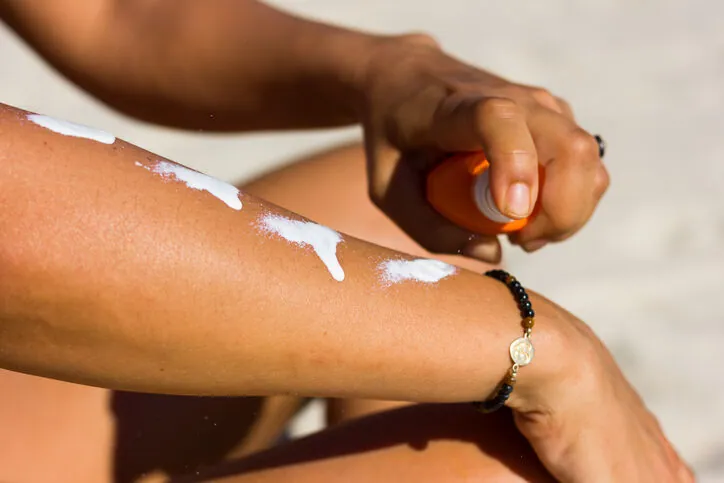
When it comes to sunscreen, the American Academy of Dermatology recommends a water-resistant broad-spectrum option that provides SPF protection of 30 or higher. Remember to reapply every two hours and after sweating or swimming, and don’t forget to protect your lips with a protective lip balm or lipstick. Other areas to remember include the feet, neck, ears and top of the head.
One in five Americans will develop skin cancer in their lifetime, according to the AAD, making it the most common form of cancer. Sunscreen is one preventive step, and others include seeking shade and avoiding the sun during its peak hours between 10 a.m. and 2 p.m. Wearing protective clothing like lightweight and long-sleeved shirts, pants and wide-brimmed hats can also help.
Hydration
Dehydration can take its toll on just about every part of the body. So don’t forget to drink water when the temperature and activity levels rise.
According to the Mayo Clinic, water regulates body temperature, flushes waste from the body, supports a healthy immune system, lubricates and cushions joints and promotes healthy digestion. It also improves memory, alertness, mood and sleep quality.
Guidelines from the U.S. National Academies of Sciences, Engineering and Medicine state men should drink 15.5 cups of fluid a day and women should aim for 11.5 cups. This includes water, other beverages and liquids in food.
Swim safely
When it comes to children and swimming, multiple experts stress the importance of having kids take lessons before going into pools or bodies of water.
The U.S. Consumer Product Safety Commission launched a national campaign called “Pool Safely: Simple Steps to Save Lives.” Its website offers safety tips for parents and families and urges basic safety practices for everyone.
Never leaving a child unattended, avoiding drains and learning CPR are among the recommendations.
Experts also stress that swimmers know what water safety equipment is available before swimming, follow posted warnings and assign a water watcher to keep an eye on anyone in the water. Using a buddy system and staying in groups is also advised.
Food safety
People want to cook and eat outside when the weather is warm, and germ-filled insects want to hang around the food, too.
Keeping cooking areas as clean as possible is essential, experts say. Covering food and only lifting covers to serve can also help deter bugs.
Other safety essentials include keeping food at the right temperature. Those preparing and serving food should also wear gloves and consider facemasks as well to prevent germs from spreading.